
What it takes to maintain culture and pace after a merger
Hootsuite has made 15 acquisitions in 15 years. Chief executive Irina Novoselsky’s approach shows that successful integration depends less on new slogans and more on clear priorities, operating rhythm and practical cultural discipline

Growth through acquisition offers more than increased scale. It can refine a company’s value proposition, expand capabilities and foster innovation. However, it also tests leadership in ways that organic growth does not. Mergers present strategic and operational challenges.
This makes Irina Novoselsky’s approach at Hootsuite especially relevant. The social media management company has made 15 acquisitions in 15 years, most recently buying Talkwalker in 2024. In an interview with Raconteur in October 2025, Novoselsky, chief executive since 2023, described how she has worked to preserve speed, maintain accountability and keep culture practical through that integration. These priorities matter in any business. They become even more crucial after an acquisition.
Many assume integration needs new culture statements, management language or operating models. Novoselsky takes a grounded approach. Strong cultures are rarely created from scratch after a deal. They exist in the behaviors that drive effective work. Leaders should recognize, reinforce and remove obstacles to these behaviors.
The best leaders build on what already works
After a merger, there is often a temptation to over-engineer the next phase. New structures, messages and expectations may seem necessary. While these sometimes help, they can create more noise than value.
A better approach is to identify where the business already excels. Examine which teams make clear decisions, which habits drive strong execution, and which behaviors foster trust, speed and sound judgment. These are the foundations to build on.
Novoselsky’s leadership is practical. She focuses on identifying and scaling the strongest elements from both organizations. She does not treat integration as a reset. This approach respects existing knowledge while raising standards for the combined business.
This practical side of Novoselsky’s leadership cultivates confidence. Teams collaborate more when leaders build on proven strengths instead of untested ideas.
A shared rhythm helps culture travel across the business
Culture is often discussed abstractly, but in most companies it’s shaped by rhythm: how often teams meet, what gets recognized, how priorities are reinforced and which examples are spotlighted. These factors drive culture more than slogans ever could.
At Hootsuite, Novoselsky’s weekly all-hands exemplifies this principle. The meetings are short, regular and focused. In a growing company, consistency sends a stronger signal than frequency. A set weekly meeting establishes tempo and maintains focus on performance. When recognition is shared across functions, whether in product, finance, HR or operations, the business makes it clear that high standards belong to everyone, not just a few visible teams. Over time, that changes how people see contribution. It encourages a more connected culture and makes strong execution easier to spot and replicate.
This aspect of integration is often overlooked. People absorb culture through repetition, visibility and example – not explanation alone.
Focus becomes more valuable as opportunity expands
Growth rarely narrows the agenda; it broadens it. More customers, opportunities, and internal momentum all increase the pressure to do more.
This is where leadership judgment is essential. Growing businesses need not just energy, but discernment. Novoselsky’s focus on saying no reflects a discipline often lost as companies scale. When everything seems promising, focus becomes harder and more valuable.
This is especially true during integration. Opportunities grow quickly, but capacity does not. Leaders must clarify not only what matters, but what matters most. This clarity reduces friction and builds confidence. It also prevents mistaking activity for progress.
Strong executive teams make prioritization visible. They acknowledge that every new commitment exacts a cost and that true focus demands explicit trade-offs. This often distinguishes businesses that are progressing from those that are merely busy.
High standards and humanity are not opposing forces
A compelling aspect of Novoselsky’s leadership is her integration of performance and humanity. Many leaders believe they must choose between a demanding or empathetic culture, but strong organizations require both.
High standards create clarity by defining expectations and accountability. Such standards are more sustainable when paired with respect. Businesses perform better when people are challenged clearly, treated fairly and managed as adults.
This balance becomes even more vital during change. As roles shift, leaders set the tone through both their standards and approach. Cultures built only on performance grow brittle, while those based only on kindness lack direction. A balanced model endures.
Novoselsky’s openness to challenge supports this balanced approach. Leaders who welcome informed disagreement are better positioned to improve as the business grows. Companies that continue learning as they scale are those where expertise can move upward quickly and honestly.
The real leadership task is to keep the business moving well
Effective post-merger leadership is often simple. It relies less on theatrics or grand language than on the decisions, habits and standards that shape company operations.
This is at the core of Novoselsky’s approach at Hootsuite: preserve what drives speed, strengthen behaviors that build trust and accountability, maintain regular and useful communication, stay focused as opportunities multiply and uphold high standards without losing sight of people.
These are leadership disciplines as much as merger tactics. They support effective integration by strengthening overall operations.
This mindset applies beyond a single deal or business. As organizations grow, the real challenge is not scale itself. It is ensuring that growth does not compromise clarity, momentum or sound judgment.
Key takeaways from maintaining culture and pace post-merger: build on existing strengths, focus on clear priorities, foster a rhythm through consistent communication, balance high standards with humanity and lead with both clarity and discipline. These enable organizations to integrate successfully while driving sustained, effective growth.

Get The VETTDD BriefingThe week in the technology channel, every week.
Subscribe free- Raconteur, “Make big feel fast: Hootsuite’s CEO on protecting culture and maintaining pace post-merger”, Francesca Cassidy, 17 October 2025.
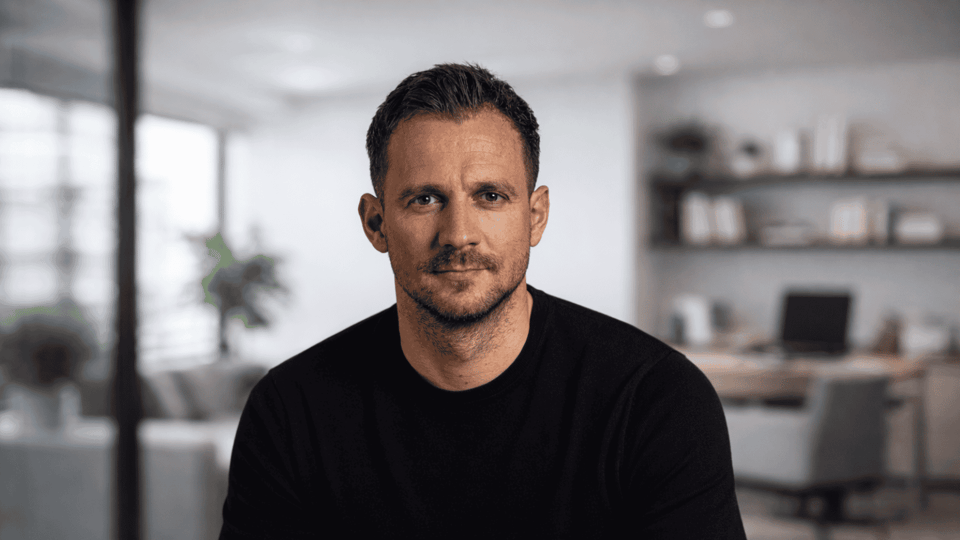
Jay Janes
Founder and editor of VETTDD. Former chief revenue officer at Giacom and director of growth at intY, where revenue grew from £19m to £40m.