
The 50 UK B2B tech startups to watch
Founders of UK business technology companies started in 2019 or later, chosen by the VETTDD editorial team from funding announcements, company results and Companies House filings, September 2026.
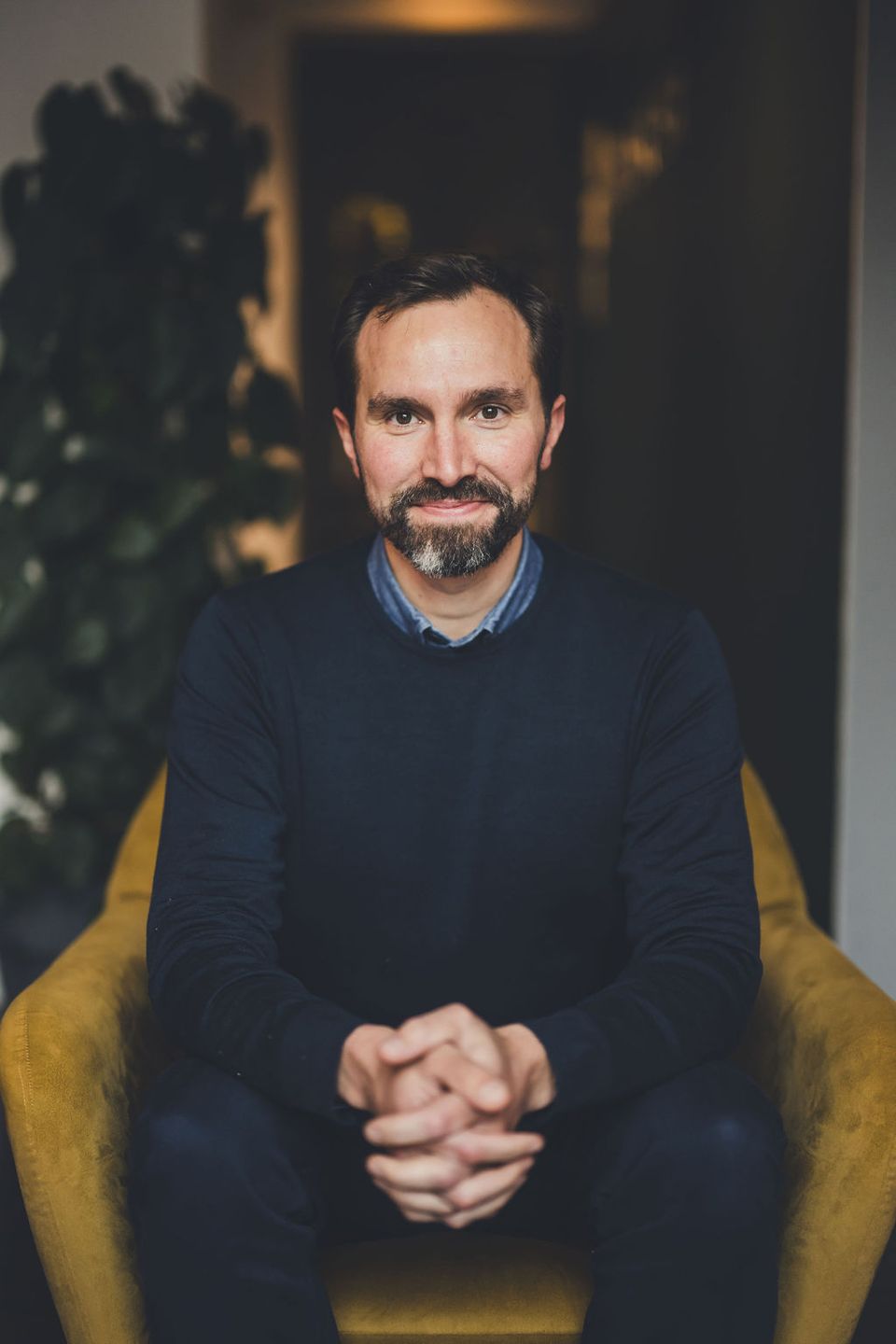
Jacomo Corbo
CEO & Co-Founder, PhysicsX
PhysicsX raised a $300m (£224m) Series C in June 2026 at a valuation of about $2.4bn, led by Temasek, with NVIDIA, Siemens and Applied Materials among its existing backers. The company says it doubled recognized revenue and more than doubled its customer count over the year, while headcount passed 300. Under Corbo, its AI models give engineers in aerospace, automotive, semiconductors and energy answers in seconds that simulation takes hours or days to produce, bringing AI into the design of physical products.

Chris Pedregal
Co-founder and CEO, Granola
Granola raised a $125m (£93m) Series C in March 2026 at a $1.5bn valuation, six times its value 10 months earlier. Under Pedregal it has moved from a personal meeting note-taker to a company-wide product, with shared Spaces, enterprise APIs and business users including Vanta, Gusto and Mistral AI. For UK buyers treating meeting transcripts as company data, it pairs admin controls with a stated refusal to let employers use notes to judge individual staff.

Chad Edwards
Co-founder and CEO, CuspAI
CuspAI raised a $450m (£335m) Series B in July 2026 at a $2.6bn valuation, co-led by Kleiner Perkins and NEA with the UK’s Sovereign AI fund taking part, 10 months after a $100m Series A. Under Edwards it launched an AI Materials Foundry with more than 45 partners including NVIDIA, Samsung and Lam Research. For UK buyers, its work on new materials for semiconductors and energy storage may shape the cost and supply of the hardware they depend on.
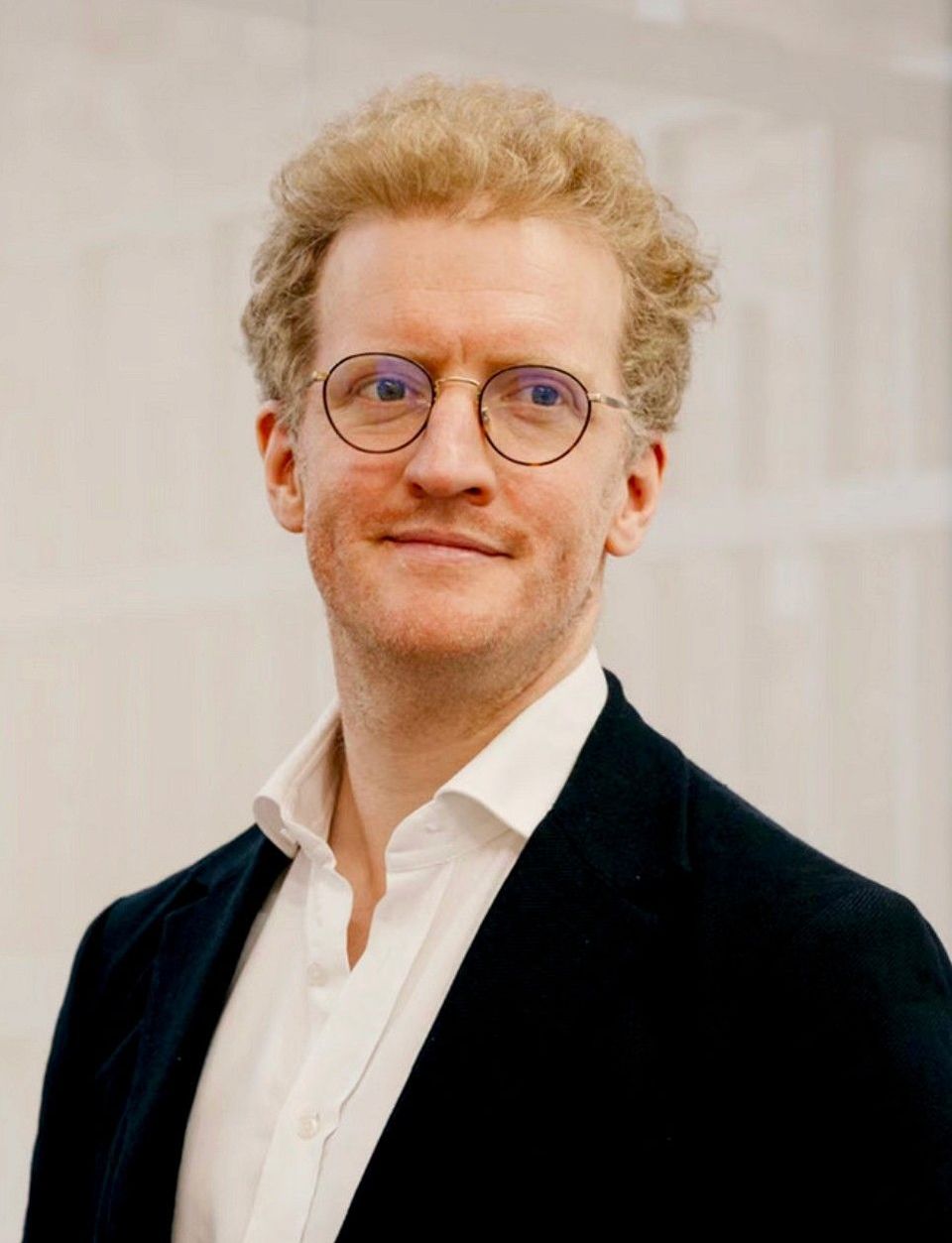
Ross McNairn
CEO and Co-founder, Wordsmith
Wordsmith raised a $70m (£52m) Series B in June 2026 and a $14m extension in August, taking the round to $84m. Under McNairn the Edinburgh-headquartered company says revenue grew 14 times in a year, and more than 500 companies, including BT, Starling and Canva, now route legal requests through it. For UK businesses, it offers a way to keep routine legal work in-house, measure it and cut spending on outside counsel.
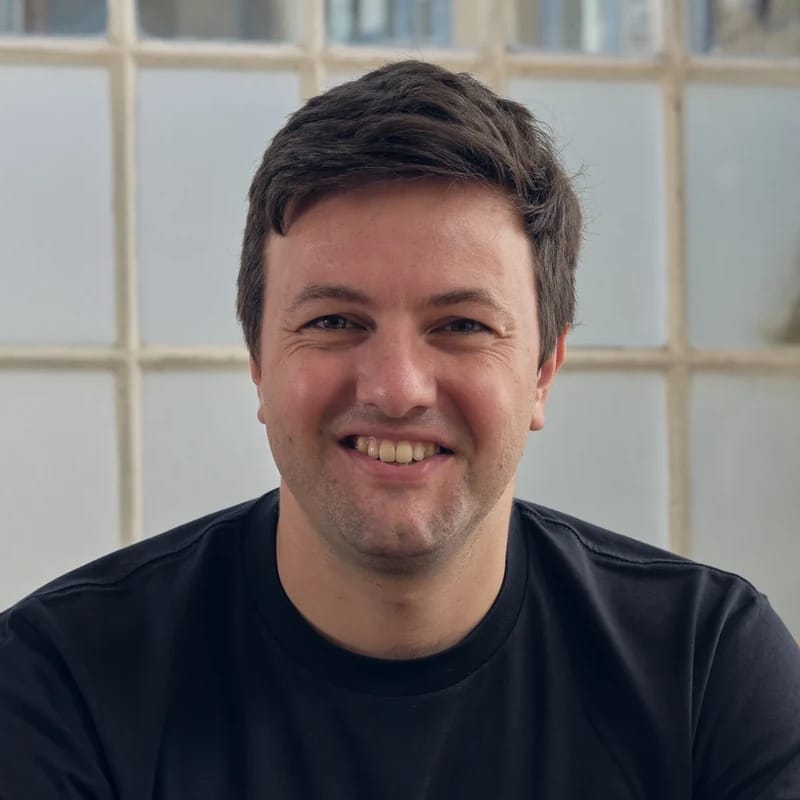
Matt Wilson
Co-founder and CEO, Jack & Jill
Jack & Jill raised a $40m (£30m) Series A in September 2026, led by Air Street Capital, 11 months after a $20m seed. Under Wilson, the London company says more than 5,000 employers, including Ramp and Multiverse, now hire through its Jill agent while 380,000 candidates use Jack in London, San Francisco and New York. For UK employers and recruiters, it is an early working model of AI agents matching candidates to roles before a person steps in.

Richard Hollingsworth
CEO & Co-founder, Fyxer
Fyxer says its annual recurring revenue rose from $1m to $30m (£22m) during 2025, as its AI assistant processed 1.4 billion emails and staff grew from seven to 56. In March 2026 Tech Nation named it to the Future Fifty. Under Hollingsworth, the London company has built an assistant that sorts inboxes and drafts replies in the user’s own voice, an AI tool UK firms and their IT teams may find staff are already using.

Danyal Akarca
Co-founder and CEO, Callosum
Callosum became the first equity investment of the UK’s £500m Sovereign AI Unit in April 2026, then raised a $100m (£75m) seed round led by Atomico in August, less than six months after leaving stealth. Under Akarca, it builds software that routes each AI workload to the chip best suited to it, working with Cerebras, Axelera and Supermicro. For UK buyers facing high compute costs and dependence on one chip supplier, it points to more choice.

Dimitri Masin
Co-Founder & CEO, Gradient Labs
Gradient Labs doubled its Series A to $26m (£19m) in June 2026 and says revenue grew 900% over the year. Under Masin, who built Monzo’s data team, its AI agents handle customer support, lending, disputes and business verification checks for Wise, Monzo, Zego and others, reaching more than 32 million end users. For UK banks and fintechs, it is a working example of AI agents running inside regulated processes where every step must be recorded.
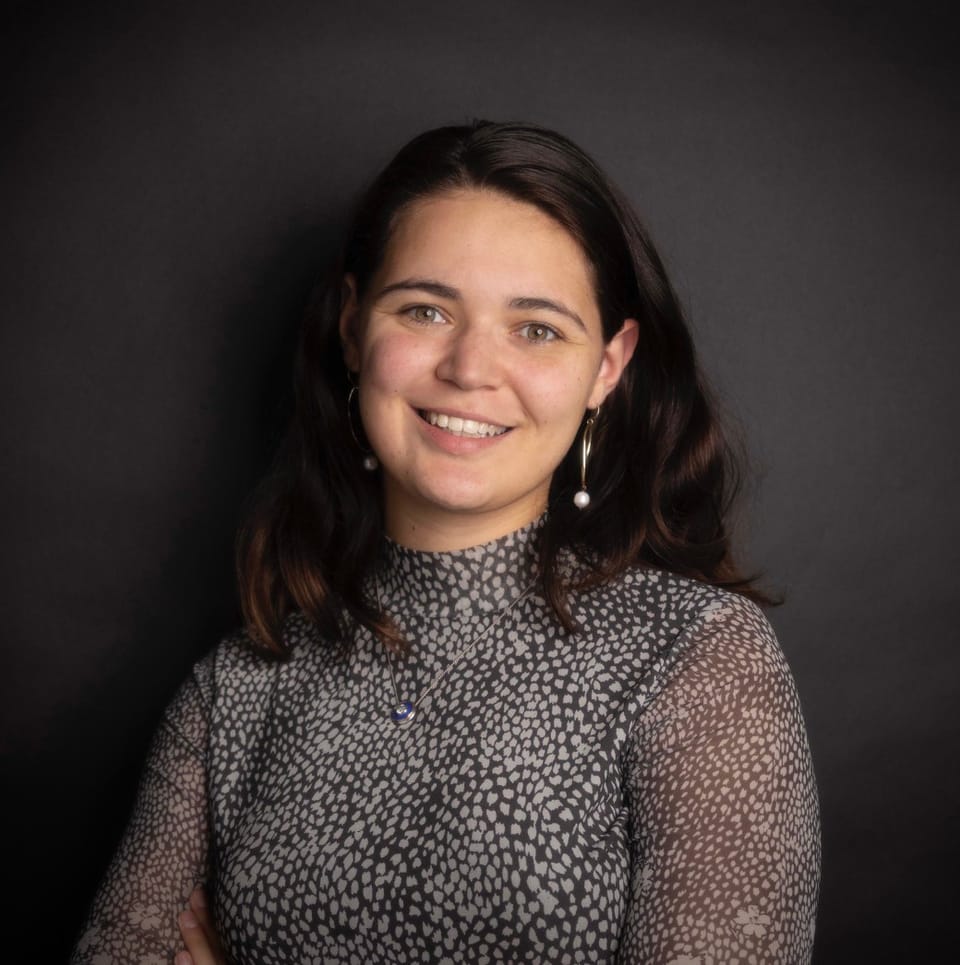
Meryem Arik
Co-Founder and CEO, Doubleword
In April 2026 Doubleword was one of seven UK AI companies in the first round of support from the government’s £500m Sovereign AI Unit, gaining access to the national AI Research Resource. Under Arik, the London company has refocused on batch and asynchronous inference, which it says runs up to 90% cheaper than closed-source APIs. For UK buyers moving AI into daily use, it offers a way to cut running costs and keep models inside their own environment.

Simon Kohl
Founder and CEO, Latent Labs
In March Kohl’s Latent Labs launched Latent-Y, an AI agent that designs therapeutic antibodies from a written goal or a scientific paper, and in July opened it to approved researchers worldwide with 250 free designs a day. The company reports a 67% target-level success rate across nine targets and campaigns 56 times faster than expert estimates. For UK pharmaceutical and biotech teams it makes frontier protein design something they can buy by the design rather than build.
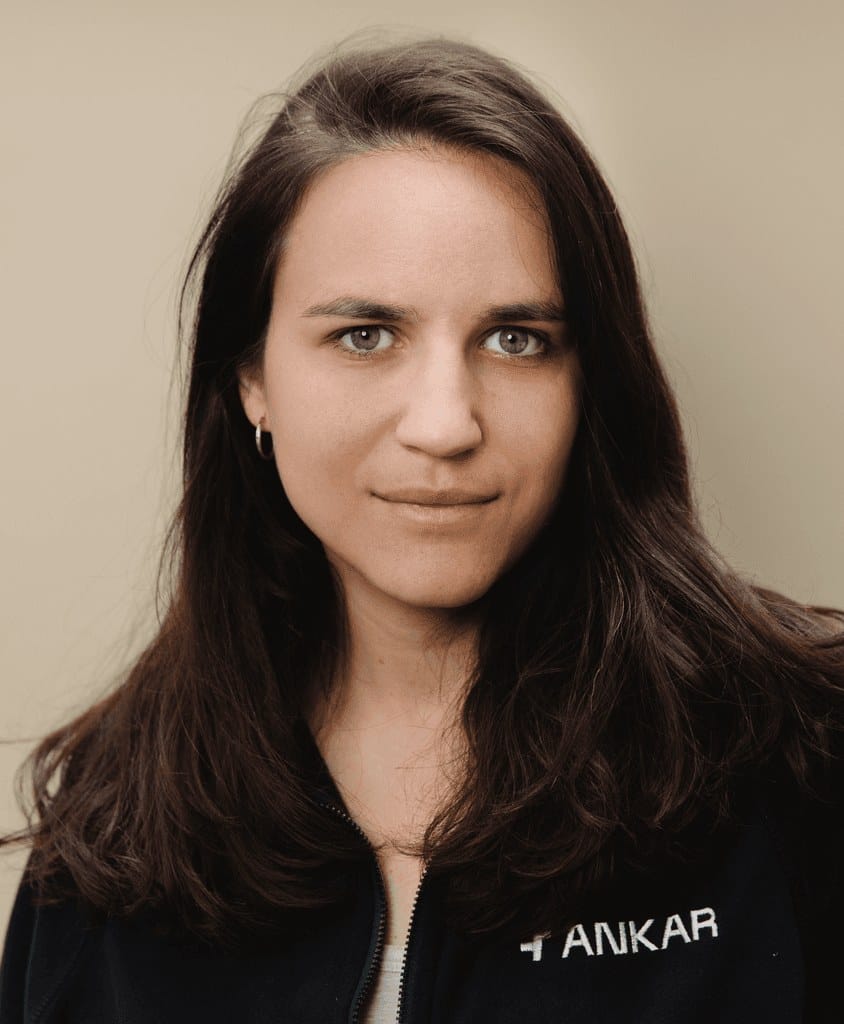
Tamar Gomez
Co-founder and CEO, Ankar
Ankar raised a $20m (£15m) Series A led by Atomico in December 2025, seven months after its seed round, and was named to Tech Nation’s Future Fifty in March 2026. Under Gomez, its platform searches more than 150 million patent applications to support drafting and prosecution, and customers including L’Oréal report average productivity gains of 40%, the company says. For UK firms turning research into protected assets, it offers a faster route through patent work.

Sasha Haco
Co-founder and CEO, Unitary
Haco has moved Unitary from content moderation into insurance operations. Its Virtual Agents, launched in October 2025, automate claims, submissions and renewals through existing systems, and the company says launch customer Attune reached more than 99% automation within five weeks and halved its costs. In 2026 Unitary joined BIBA and the Accelerant Marketplace of more than 300 MGAs, and added UK-only AI processing. For UK insurers and brokers it offers automation without an integration project.
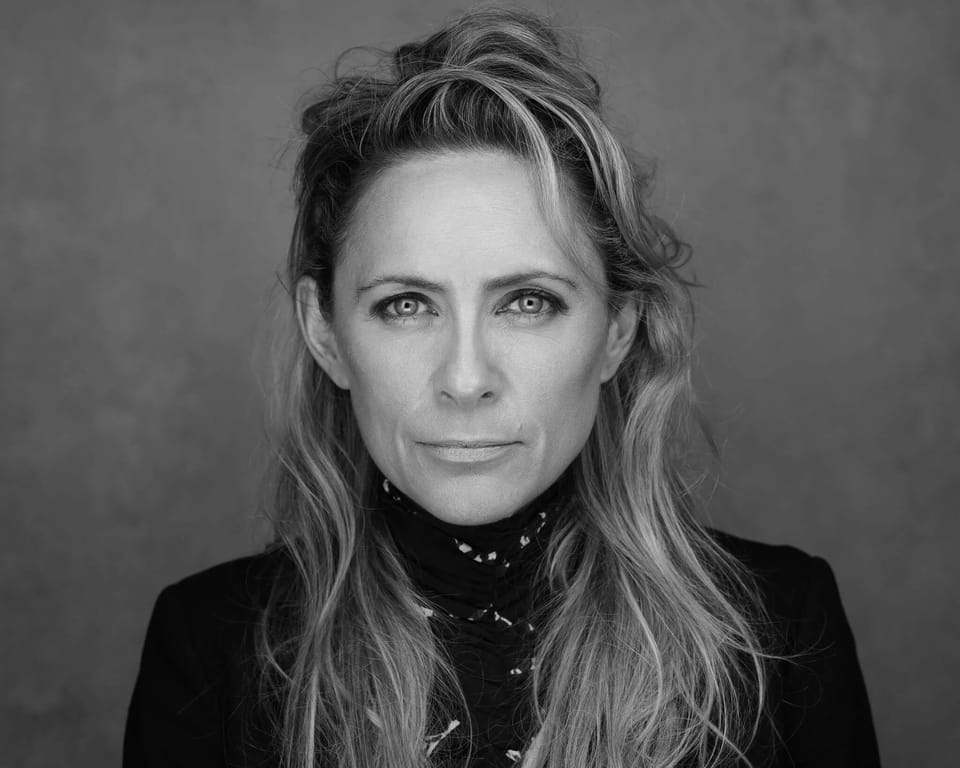
Rosalyn Moran
Co-founder and CEO, Stanhope AI
In February Moran’s Stanhope AI closed an $8m (£5.9m) seed round led by Frontline Ventures to take its brain-inspired AI into field trials with drone and robotics partners. Built on active inference rather than large language models, its systems learn from what they perceive as they act and run on the device. For UK defense, aerospace and industrial buyers it offers a UK-built route to autonomy that does not depend on large training datasets or a remote cloud.

Tyler Edwards
Co-founder and CEO, Overmind
Overmind raised a £2m seed round led by Osney Capital in February 2026, seven months after Edwards co-founded it, to supervise AI agents running in live systems. Since then it has repositioned as a platform that turns agents’ production traces into specialized models customers own, which it says can beat frontier models on cost and accuracy for narrow tasks. For UK businesses scaling AI agents, it offers a route to cheaper models they control.