
The 50 UK B2B tech startups to watch
Founders of UK business technology companies started in 2019 or later, chosen by the VETTDD editorial team from funding announcements, company results and Companies House filings, September 2026.

Josh Payne
Founder and CEO, Nscale
In March Payne’s Nscale raised a $2bn (£1.5bn) Series C at a $14.6bn valuation, and on 18 September it filed to list on the New York Stock Exchange. Its filing shows revenue of $140.6m in the six months to June 2026, up from $10.4m a year earlier, and a week later it announced $3.36bn of convertible financing. For UK enterprises and public bodies it is a British-domiciled source of AI compute at hyperscale.
Jacomo Corbo
CEO & Co-Founder, PhysicsX
PhysicsX raised a $300m (£224m) Series C in June 2026 at a valuation of about $2.4bn, led by Temasek, with NVIDIA, Siemens and Applied Materials among its existing backers. The company says it doubled recognized revenue and more than doubled its customer count over the year, while headcount passed 300. Under Corbo, its AI models give engineers in aerospace, automotive, semiconductors and energy answers in seconds that simulation takes hours or days to produce, bringing AI into the design of physical products.

Artem Sokolov
Founder and CEO, Humanoid
In May Sokolov’s Humanoid signed a binding agreement with Schaeffler to deploy its wheeled humanoid robots in live German factories from December, targeting a four-digit fleet by 2032. In July it raised a $152m (£113m) Series A at a $1.35bn valuation, taking total funding to $270m, with Schaeffler and Bosch among the investors. For UK manufacturers and logistics operators it offers humanoid robots as a service, with maintenance and support included.
James Dacombe
Founder and CEO, Olix
Dacombe’s Olix raised $532m in 2026: $220m in February, then a $312m Series B in August at a $3.3bn valuation, with Arm and the UK government’s Sovereign AI fund taking part. Its DX-1 chip, due with first customers in the second half of 2027, runs AI models without the high-bandwidth memory and advanced packaging that constrain supply. For UK data center operators and cloud providers it promises a new, UK-designed source of inference capacity.

Walter Goodwin
Founder and CEO, Fractile
In 2026 Goodwin’s Fractile committed £100m to expand its London and Bristol engineering sites and raised $220m, led by Accel, Factorial Funds and Founders Fund, to bring its first inference chips to customers. The company says its processors will run frontier models up to 25 times faster at a tenth of the cost. Bloomberg reported an initial $250m chip deal with Anthropic, which neither company has confirmed. For UK buyers it is a homegrown alternative in AI hardware.

Chris Pedregal
Co-founder and CEO, Granola
Granola raised a $125m (£93m) Series C in March 2026 at a $1.5bn valuation, six times its value 10 months earlier. Under Pedregal it has moved from a personal meeting note-taker to a company-wide product, with shared Spaces, enterprise APIs and business users including Vanta, Gusto and Mistral AI. For UK buyers treating meeting transcripts as company data, it pairs admin controls with a stated refusal to let employers use notes to judge individual staff.

Eamon Jubbawy
Founder and CEO, Isometric
Isometric raised a $40m (£30m) Series A led by AVP in June 2026, extended to $50m (£37.5m) in September when Intercontinental Exchange joined. Jubbawy’s London company uses AI agents to check the data behind industrial climate claims, and says it has been contracted to certify more than 16 million tonnes of carbon removal for buyers including Microsoft and JPMorganChase. For UK companies buying removals or low-carbon materials, it offers audit-ready verification in hours rather than months.
Ben Freeman
Co-founder and CEO, Omnea
Omnea topped the Startups 100 index in January 2026 and joined Tech Nation’s Future Fifty in March, after a $50m (£37.5m) Series B that followed fivefold revenue growth. Pulse 2.0 reported in August that revenue had tripled again. Freeman’s London-built platform runs supplier intake, approvals and risk checks for Spotify, Monzo and Wise, and now takes purchase requests from AI assistants. For UK finance teams still managing suppliers by email and spreadsheet, it is a working alternative.

Chad Edwards
Co-founder and CEO, CuspAI
CuspAI raised a $450m (£335m) Series B in July 2026 at a $2.6bn valuation, co-led by Kleiner Perkins and NEA with the UK’s Sovereign AI fund taking part, 10 months after a $100m Series A. Under Edwards it launched an AI Materials Foundry with more than 45 partners including NVIDIA, Samsung and Lam Research. For UK buyers, its work on new materials for semiconductors and energy storage may shape the cost and supply of the hardware they depend on.

Ross McNairn
CEO and Co-founder, Wordsmith
Wordsmith raised a $70m (£52m) Series B in June 2026 and a $14m extension in August, taking the round to $84m. Under McNairn the Edinburgh-headquartered company says revenue grew 14 times in a year, and more than 500 companies, including BT, Starling and Canva, now route legal requests through it. For UK businesses, it offers a way to keep routine legal work in-house, measure it and cut spending on outside counsel.

Stephen Whitworth
Co-founder and CEO, incident.io
Whitworth’s incident.io has been investing heavily in AI SRE, which investigates live outages and proposes fixes, and in July 2026 launched a program to migrate customers off Atlassian’s Opsgenie before it shuts in April 2027. Its $62m Series B in 2025 came with more than 600 customers, including Netflix and OpenAI. It gives UK engineering and IT operations teams a London-built alternative to PagerDuty at the moment many are forced to switch.
Matt Wilson
Co-founder and CEO, Jack & Jill
Jack & Jill raised a $40m (£30m) Series A in September 2026, led by Air Street Capital, 11 months after a $20m seed. Under Wilson, the London company says more than 5,000 employers, including Ramp and Multiverse, now hire through its Jill agent while 380,000 candidates use Jack in London, San Francisco and New York. For UK employers and recruiters, it is an early working model of AI agents matching candidates to roles before a person steps in.
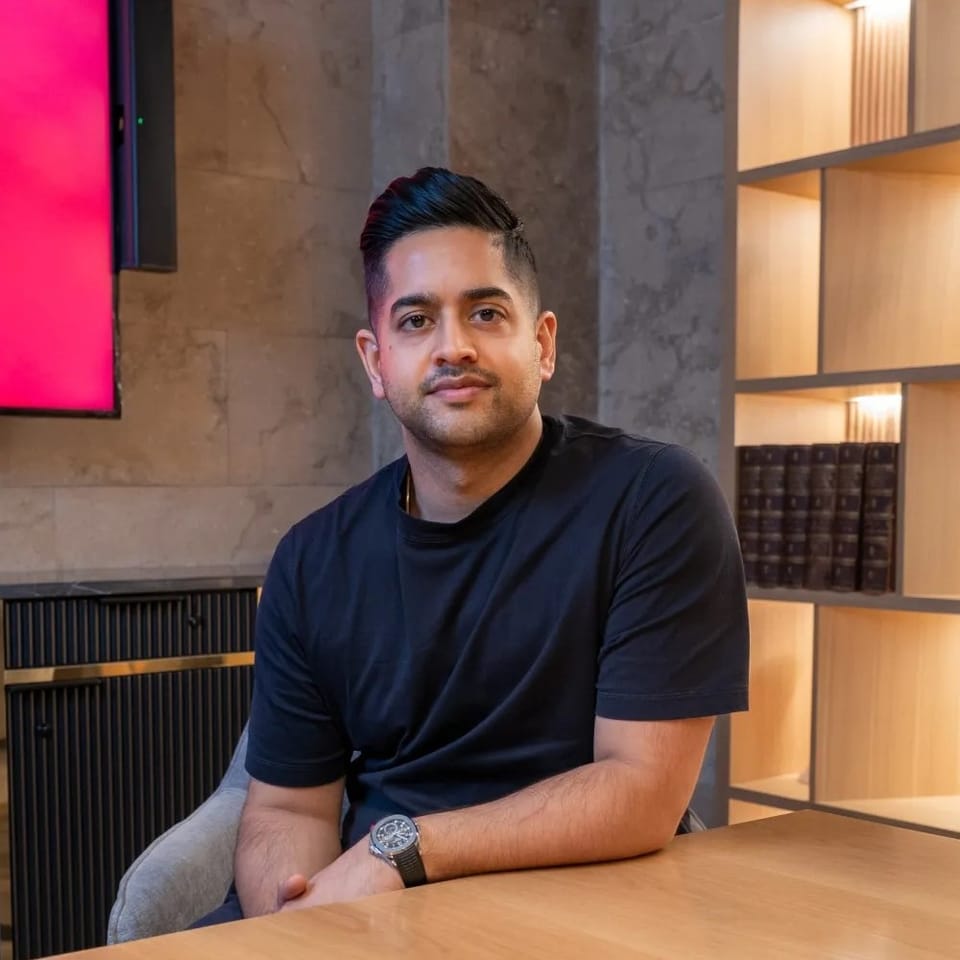
Vroon Modgill
Founder and CEO, Sokin
Sokin reported $45m (£34m) of audited net revenue for 2025 and a $90m (£67m) run-rate by mid-2026, growing more than 100% a year. Modgill raised a $50m (£37.5m) Series B at a $300m (£225m) valuation in December 2025 and a $100m (£75m) debt facility in January, and in September launched a connector that lets AI assistants prepare payments. For UK exporters and importers, it offers accounts, foreign exchange and payments in more than 70 currencies on one platform.

Quentin Scrimshire
Co-founder and CEO, Modo Energy
Modo Energy raised a £25m Series B led by Molten Ventures in December 2025 and a further $17m (£12.7m) from CIBC Innovation Banking in July 2026, $52m (£39m) in six months. Scrimshire’s London company provides benchmarks, forecasts and valuations for battery storage, renewables and data center loads, now across 15 energy markets, and is building Ko, an AI analyst. For UK investors and operators financing grid assets, it offers an independent view of what those assets should earn.

Richard Hollingsworth
CEO & Co-founder, Fyxer
Fyxer says its annual recurring revenue rose from $1m to $30m (£22m) during 2025, as its AI assistant processed 1.4 billion emails and staff grew from seven to 56. In March 2026 Tech Nation named it to the Future Fifty. Under Hollingsworth, the London company has built an assistant that sorts inboxes and drafts replies in the user’s own voice, an AI tool UK firms and their IT teams may find staff are already using.

Danyal Akarca
Co-founder and CEO, Callosum
Callosum became the first equity investment of the UK’s £500m Sovereign AI Unit in April 2026, then raised a $100m (£75m) seed round led by Atomico in August, less than six months after leaving stealth. Under Akarca, it builds software that routes each AI workload to the chip best suited to it, working with Cerebras, Axelera and Supermicro. For UK buyers facing high compute costs and dependence on one chip supplier, it points to more choice.

Steffen Wulff Petersen
Co-founder and CEO, Sona
Sona raised a $45m (£34m) Series B led by N47 in April 2026, taking its total funding past $100m (£75m). Petersen’s London company combines AI demand forecasting, scheduling, HR and payroll for shift-based employers in hospitality, retail, care and logistics, and is expanding in the US from New York. For UK frontline operators still running rotas and payroll on separate legacy tools, it offers one system that links staffing to demand and lets large customers build their own workflows on top.

Dimitri Masin
Co-Founder & CEO, Gradient Labs
Gradient Labs doubled its Series A to $26m (£19m) in June 2026 and says revenue grew 900% over the year. Under Masin, who built Monzo’s data team, its AI agents handle customer support, lending, disputes and business verification checks for Wise, Monzo, Zego and others, reaching more than 32 million end users. For UK banks and fintechs, it is a working example of AI agents running inside regulated processes where every step must be recorded.

Peter Garraghan
Founder and Chief Science Officer, Mindgard
Mindgard raised a $30m (£22.4m) Series A in August 2026, led by Album VC, taking total funding to nearly $42m. Its research team has disclosed more than 150 vulnerabilities in AI products, including flaws in Cursor, Google Antigravity and ChatGPT. Garraghan, who founded the Lancaster University spinout in 2022, has been chief science officer since October 2025, when James Brear became chief executive. For UK buyers putting AI into production, it offers continuous attack testing of models and agents.

Riya Grover
Co-founder and CEO, Sequence
Sequence raised a $20m (£15m) Series A led by 645 Ventures, with a16z, in December 2025, after 10x growth in annual recurring revenue that year. Grover’s London company automates billing, invoicing, collections and revenue recognition for B2B finance teams, with customers including Cognition, Legora and MoonPay, and in 2026 it added AI automations and hosted a finance conference in New York. For UK software companies moving to usage-based pricing, it takes manual invoicing out of the path to cash.

Andy Smith
Co-founder and CEO, Tracebit
Tracebit raised a $20m (£15m) Series A in March 2026, led by FirstMark with Accel and MMC Ventures, and opened a New York office. Its cloud canaries now watch about 5 billion events a week for customers including Riot Games, Snyk, Docker and Admiral Insurance. Smith, co-founder and chief executive, built the company on an ‘assume breach’ principle. For UK organizations on public cloud, it adds a detection layer that flags intruders the moment they touch a decoy.

Ben Towers
Co-founder and CEO, Happl
Towers’s Happl raised an $11m (£8.1m) Series A led by Portage Ventures in May 2026 to expand its global employee benefits platform, which it says operates in more than 160 countries for customers including Moelis, Kainos and Hootsuite. The London company replaces country-by-country benefits administration with one system linked to HR and payroll software. For UK employers with staff overseas, it offers a way to cut the manual work and compliance risk of running benefits in many markets.

Melissa Chambers
Co-founder and CEO, Sitehop
Sitehop raised £7.5m in October 2025, launched SAFEcore Edge, a compact post-quantum encryption device for remote infrastructure, in April 2026 and was named a World Economic Forum Technology Pioneer in June. Under Chambers, its hardware is deployed with a tier-one carrier across seven countries, and in the past two months it has launched a national security unit and opened a US office. It gives UK operators of critical networks a home-grown way to prepare data in transit for the quantum era.

Alastair Paterson
CEO and Co-Founder, Harmonic Security
Harmonic Security extended its AI data controls to agents with an MCP Gateway in October 2025, and in May 2026 was named to Notable Capital’s Rising in Cyber list, voted by about 150 CISOs. Its own analysis of 22.4 million enterprise prompts found 579,113 containing sensitive data. Paterson, who sold Digital Shadows to ReliaQuest for $160m (£120m), leads the company as chief executive. For UK security teams, it offers a way to govern staff and agent use of AI rather than ban it.
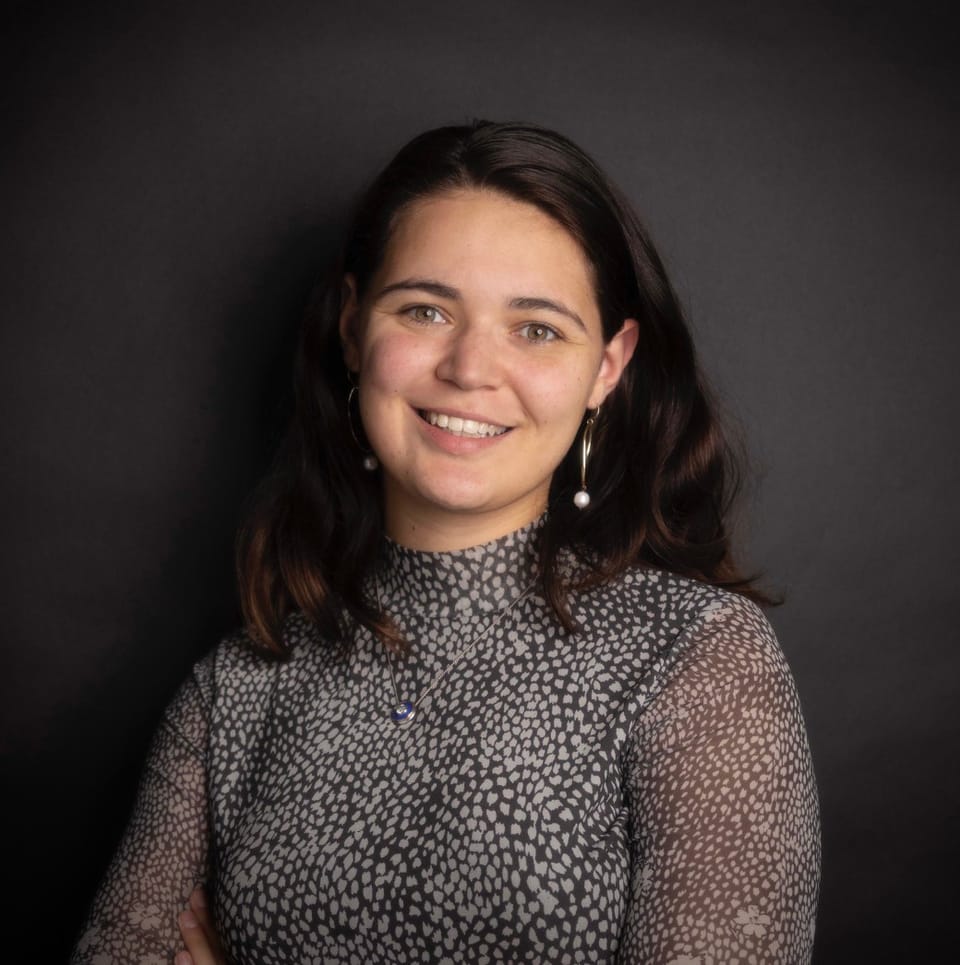
Meryem Arik
Co-Founder and CEO, Doubleword
In April 2026 Doubleword was one of seven UK AI companies in the first round of support from the government’s £500m Sovereign AI Unit, gaining access to the national AI Research Resource. Under Arik, the London company has refocused on batch and asynchronous inference, which it says runs up to 90% cheaper than closed-source APIs. For UK buyers moving AI into daily use, it offers a way to cut running costs and keep models inside their own environment.

Simon Kohl
Founder and CEO, Latent Labs
In March Kohl’s Latent Labs launched Latent-Y, an AI agent that designs therapeutic antibodies from a written goal or a scientific paper, and in July opened it to approved researchers worldwide with 250 free designs a day. The company reports a 67% target-level success rate across nine targets and campaigns 56 times faster than expert estimates. For UK pharmaceutical and biotech teams it makes frontier protein design something they can buy by the design rather than build.

Sadra Hosseini
Co-founder and CEO, Ryft
Ryft closed a £20m Series B led by Gresham House Ventures in September 2026, which it described as the UK’s largest payments Series B of the year. Hosseini’s Manchester company says its processing volume tripled over the past year and more than 6,500 businesses now use it for split payments, seller onboarding and payouts. For UK platforms and marketplaces, it offers regulated multi-party payments infrastructure built outside London, and it has applied for an EU license to expand.
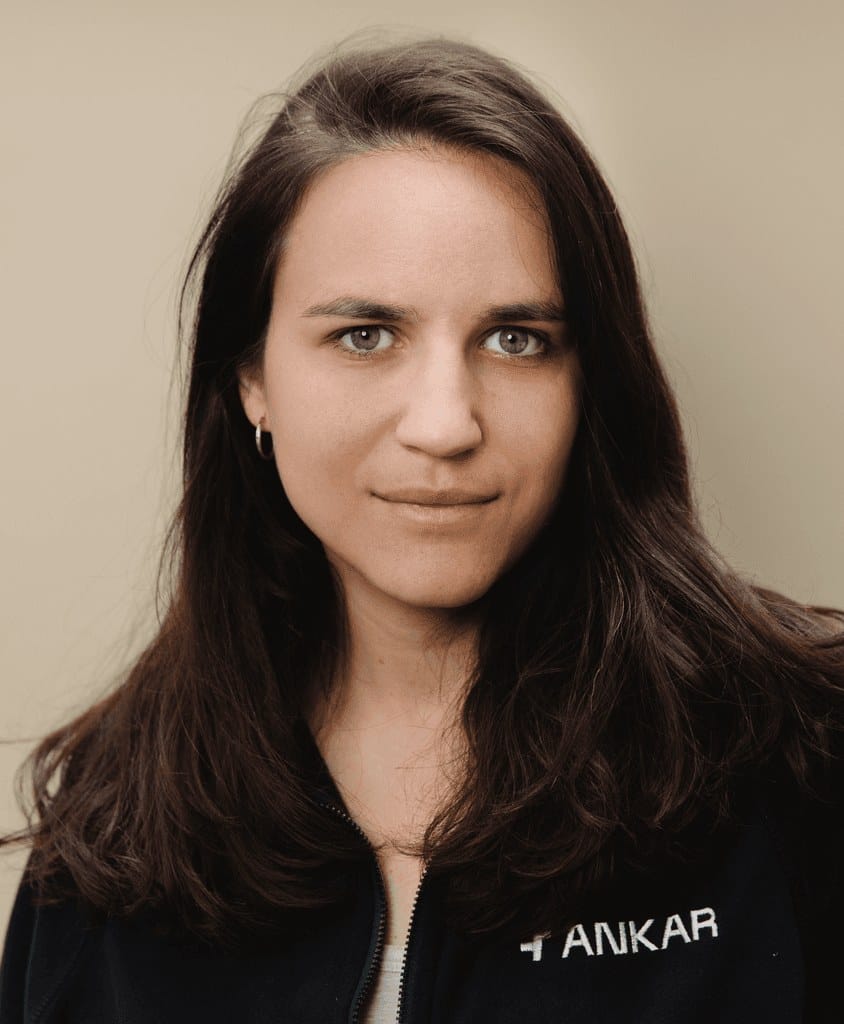
Tamar Gomez
Co-founder and CEO, Ankar
Ankar raised a $20m (£15m) Series A led by Atomico in December 2025, seven months after its seed round, and was named to Tech Nation’s Future Fifty in March 2026. Under Gomez, its platform searches more than 150 million patent applications to support drafting and prosecution, and customers including L’Oréal report average productivity gains of 40%, the company says. For UK firms turning research into protected assets, it offers a faster route through patent work.
Franziska Kirschner
Co-founder and CEO, Intropy
Intropy raised an $11m (£8.2m) seed round led by Felix Capital in July 2026 and is opening a New York office. Kirschner’s London company connects to parts businesses’ ERP systems and makes inventory, pricing and obsolescence decisions automatically, and says it has processed more than $10bn (£7.5bn) of parts demand. For UK distributors, manufacturers and vehicle recyclers managing vast parts catalogs, it replaces periodic manual reviews with decisions that update as market conditions change.

Vaysh Kewada
Co-founder and CEO, Salience Labs
In 2026 Kewada’s Salience Labs moved from development to product. It signed Tower Semiconductor to manufacture its optical circuit switches, launched a 32-port all-optical switch in March, built a test environment with Keysight and showed a live 64-port switch at ECOC in September. The company says its switches can cut networking power by up to eight times against electrical switching. For UK data center operators short of power, that could free capacity for more compute.

Michelle You
Co-founder and CEO, Supercritical
Supercritical raised new funding led by Greencode Ventures in May 2026 to move into carbon removal project development. You’s London company has facilitated nearly 2 million tonnes of removals for more than 200 corporate buyers, including a 10-year, 1 million-tonne biochar offtake, and its vetting rejects 88% of the projects it assesses. For UK companies with net zero targets, it offers a vetted, audit-ready route into a market where supplier quality varies widely.

Richard Murray
Co-founder, CEO, ORCA Computing
In June 2026 ORCA Computing put its PT Series photonic quantum systems into Digital Realty’s Innovation Lab in London, running alongside AI and HPC hardware without specialized cooling. Murray, co-founder and chief executive since 2019, has taken the company to about 65 staff and 10 on-premises systems delivered to customers including the Ministry of Defence. This year it added NVIDIA-based simulation and an industrial AI partnership. For UK data center buyers it is a working test of quantum hardware inside existing facilities.
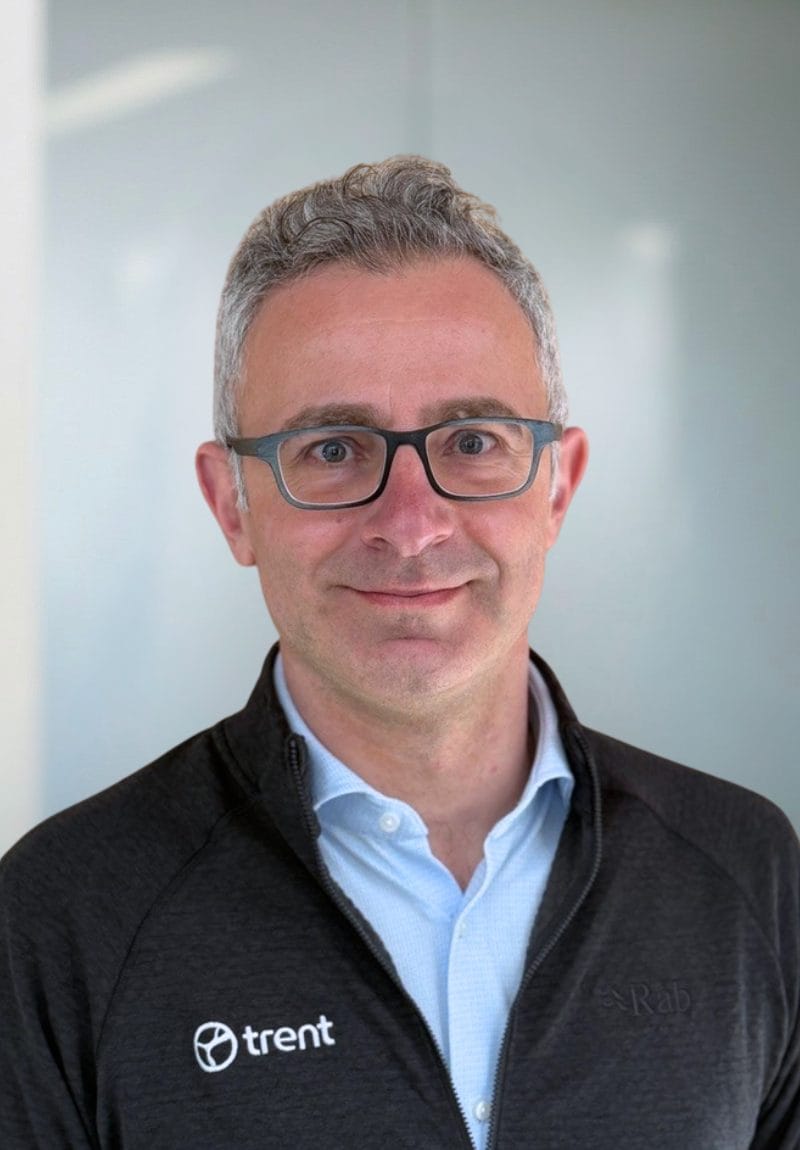
Eno Thereska
Co-founder and CEO, Trent AI
Trent AI came out of stealth in April 2026 with a $13m (£9.7m) seed round led by LocalGlobe and Cambridge Innovation Capital, with angels from OpenAI, Databricks and Spotify. In May it published an AI Security Maturity Model covering 28 categories. Thereska, a former distinguished engineer at AWS and Confluent, co-founded it with Cambridge’s Neil Lawrence. For UK organizations deploying AI agents, it offers security built for software that acts on its own.
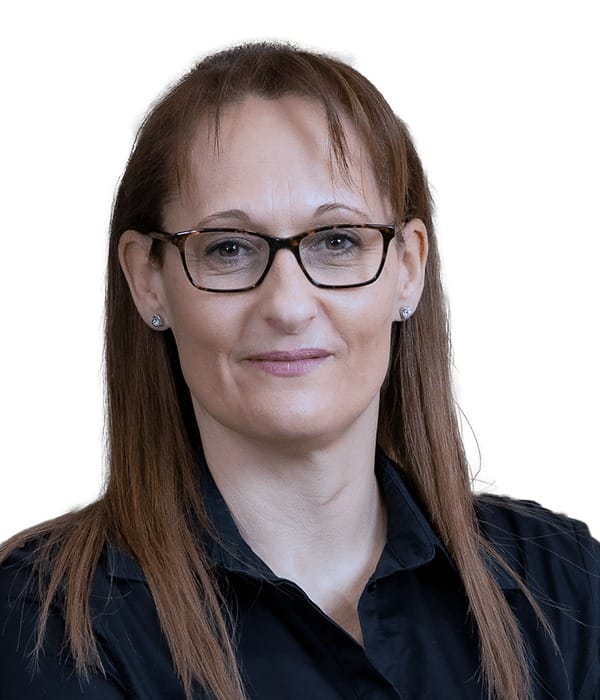
Rachel Curtis
Founder and CEO, Inicio AI
Curtis’s Inicio AI announced seven new clients in 2026, among them BNP Paribas Personal Finance, Tandem Bank, Evlo and High Court Enforcement Group, and won two Credit Strategy Credit Awards in June. Its conversational AI guides people in debt through the income and expenditure assessments that lenders and collectors use to set repayment plans. For UK banks, lenders and utilities, it offers an FCA-authorized alternative to long forms and rushed phone calls at the point where affordability decisions are made.

Yann Sarfati
Co-founder and CEO, Userled
Sarfati’s Userled climbed from 44th to 11th in the Startups 100 for 2026 and in the first half of the year shipped AI agents that build account-based marketing campaigns from a brief, along with contact-level LinkedIn personalization and an MCP server. Customers include Datadog, Canva and Stripe. For UK B2B technology vendors and their channel partners, it brings personalized campaigns within reach of small marketing teams that could previously target only a handful of accounts.

Anahita Laverack
Co-founder and CEO, Oshen
Oshen raised a £3.65m seed round in August 2026, led by Lunar Ventures, to triple production of its C-Star ocean robots. Output has gone from 15 units in three years to 15 every six weeks, with 100 more on order, and customers include the Royal Navy and the Met Office. Three C-Stars collected data inside Category 5 Hurricane Humberto in 2025. For UK maritime, energy and defense buyers, Laverack has built a domestic source of low-cost ocean data.

Harry Wetherald
Co-founder and CEO, Maze
Maze launched Maze Code in June 2026, extending its AI security agents from cloud infrastructure to the code teams write and the open-source packages they depend on. The company says early results show about 90% of CVEs are not exploitable in context, and its agents deliver verified fixes for those that are. Co-founded by Wetherald in 2024 and backed by a $25m Series A, Maze gives UK security teams a way to cut vulnerability backlogs down to the findings that carry real risk.

Sasha Haco
Co-founder and CEO, Unitary
Haco has moved Unitary from content moderation into insurance operations. Its Virtual Agents, launched in October 2025, automate claims, submissions and renewals through existing systems, and the company says launch customer Attune reached more than 99% automation within five weeks and halved its costs. In 2026 Unitary joined BIBA and the Accelerant Marketplace of more than 300 MGAs, and added UK-only AI processing. For UK insurers and brokers it offers automation without an integration project.

Jeremy Owston
Founder, CEO/CTO, Nuclear Turbines
Nuclear Turbines came out of stealth in July 2026 with £15m led by IQ Capital, to validate a compact reactor that heats air directly for a gas turbine instead of raising steam. Owston, a former BAE Systems principal engineer, developed the design in BAE’s Launchpad program and now leads the spinout as chief executive and chief technology officer. The company is targeting behind-the-meter power for data centers and industrial sites, which may give UK operators another route to firm on-site power.
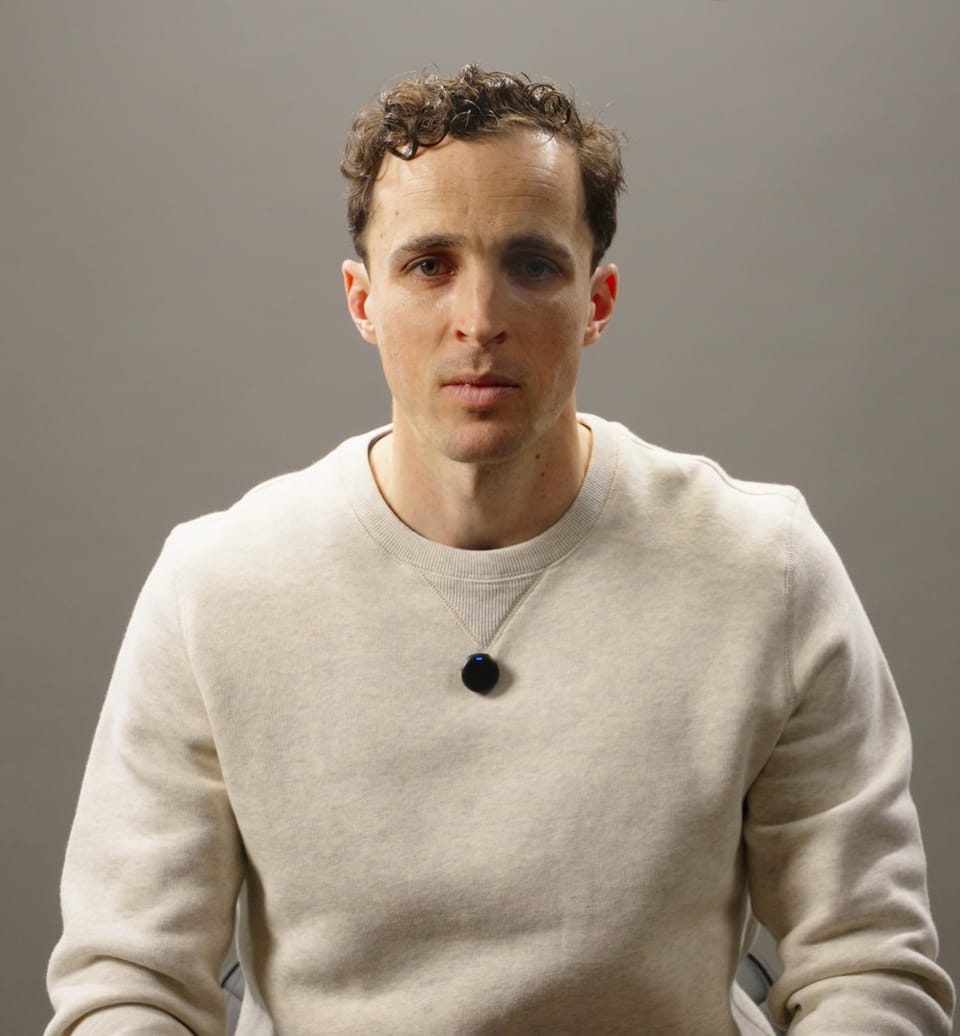
John Daley
Co-founder and CEO, HelmGuard
HelmGuard raised a $7.3m seed round in September 2026 for AI agents that assess risk and compliance evidence directly from company systems. The company says it cuts assessment time by up to 80%, and it assessed 1,250 counterparties for one US insurer in under a week. Led by Daley, a former Palantir executive, it offers UK financial services and insurance firms a faster route through third-party risk reviews and a way to assure the AI agents their vendors now deploy.
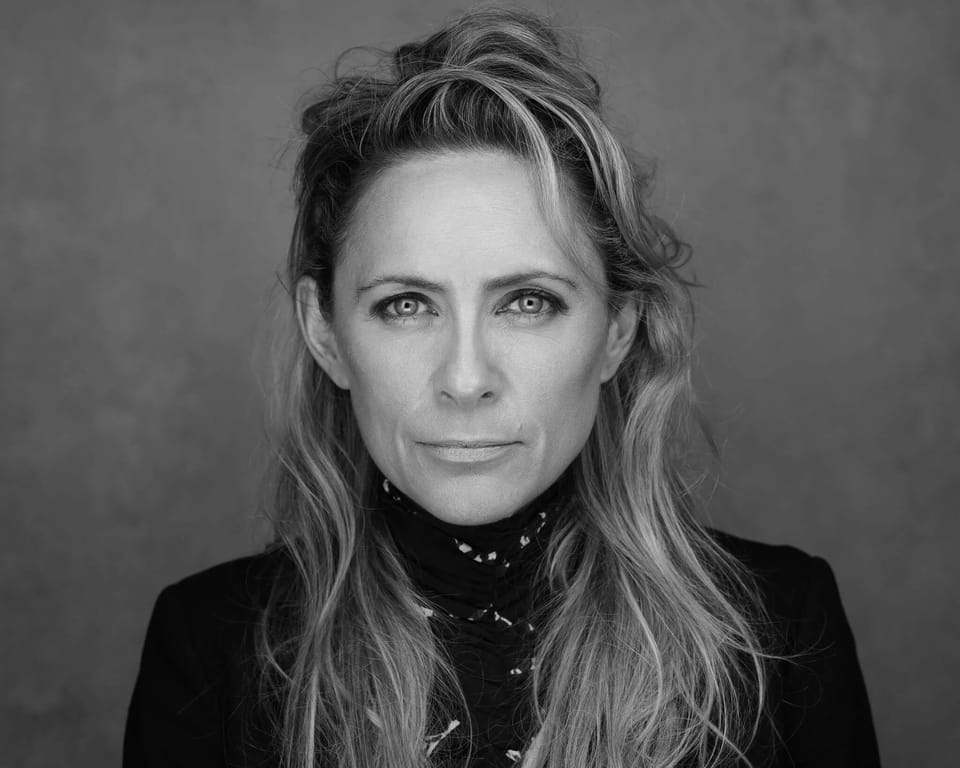
Rosalyn Moran
Co-founder and CEO, Stanhope AI
In February Moran’s Stanhope AI closed an $8m (£5.9m) seed round led by Frontline Ventures to take its brain-inspired AI into field trials with drone and robotics partners. Built on active inference rather than large language models, its systems learn from what they perceive as they act and run on the device. For UK defense, aerospace and industrial buyers it offers a UK-built route to autonomy that does not depend on large training datasets or a remote cloud.

Ian Monk
Co-founder and CEO, Spotted Zebra
Monk’s Spotted Zebra launched AI Interview Agent in March 2026, running live two-way screening conversations with every applicant and scoring them against skills profiles the company says draw on almost a million assessments. Clients include Walt Disney, Virgin Media O2 and Paramount, and the company was named 25th in the Startups 100 for 2026. For UK employers handling high application volumes, it offers a consistent and auditable way to screen on skills rather than CVs as hiring AI comes under regulation.
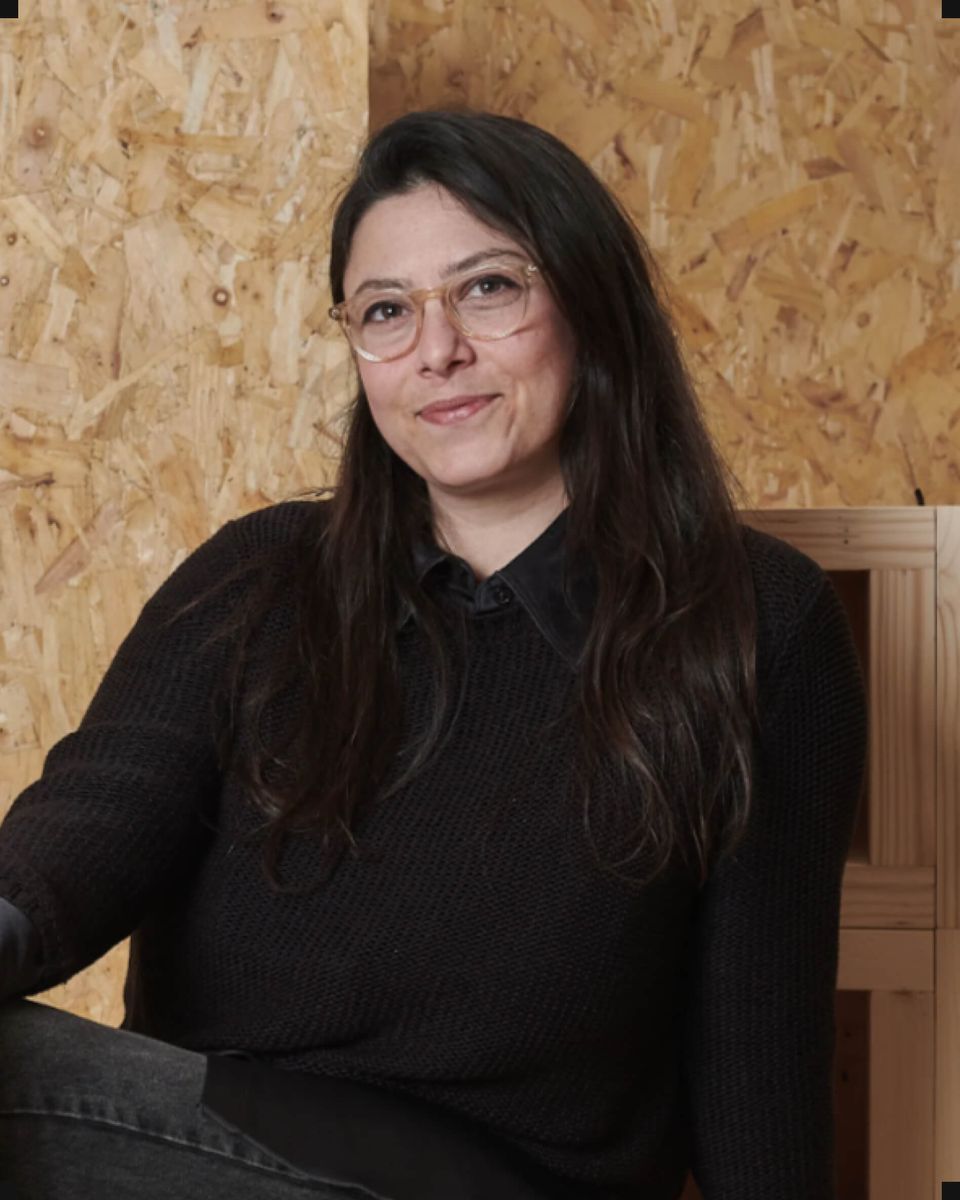
Mollie Claypool
Co-founder and CEO, AUAR (Automated Architecture)
AUAR won the Urban Land Institute’s European PropTech Innovation Challenge in December 2025, and in the past year its two MicroFactories with US developer Rival Holdings moved into autonomous production. Its MasterBuilder software now produces robot-ready designs in under four hours, and a next-generation MicroFactory began testing in January 2026. Under Claypool, AUAR offers UK housebuilders on-site robotic framing without capital outlay, with the company saying each unit can make about 200 homes a year.
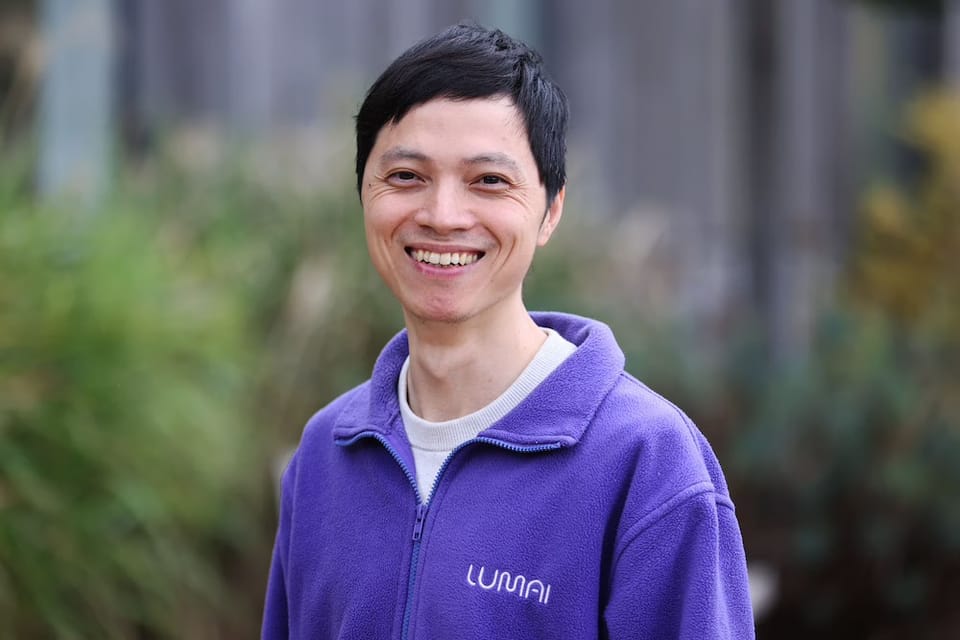
Xianxin Guo
CEO and Co-Founder, Lumai
In April 2026 Lumai launched Iris, which it describes as the first optical computing system to run billion-parameter language models in real time, and opened its Iris Nova server to evaluation by hyperscalers, neoclouds and enterprises. The company claims up to 90% lower energy use than conventional architectures and works with ARIA. Guo, the Oxford physicist behind the core technology, now leads the company as chief executive. For UK data center operators facing power limits, it is a homegrown alternative to adding GPUs.
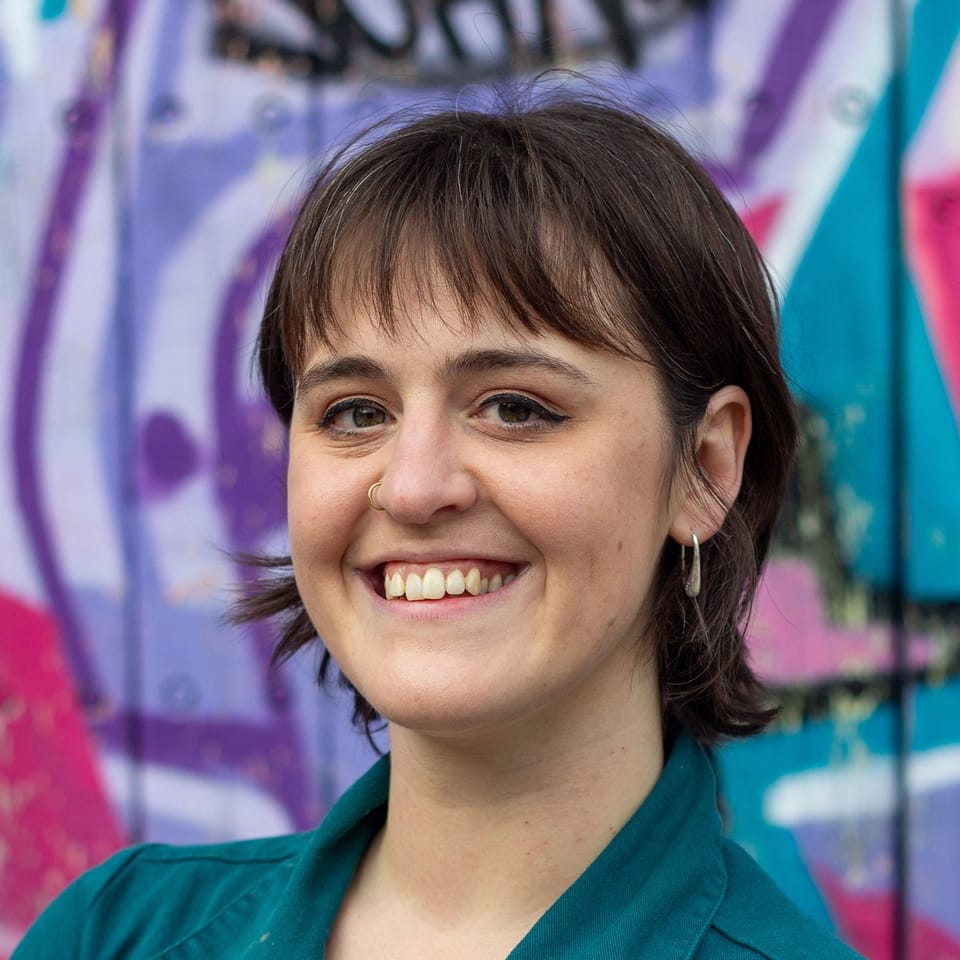
Chloe Coleman
Co-founder and CEO, Vouchsafe
Vouchsafe added Innovatrics face verification and liveness detection in February 2026 and in September began working with credit reference agency Noggin HQ to combine financial-health data with its fraud network. Its government-certified checks let regulated firms verify some of the 11 million UK adults without photo ID, with vouching now about a fifth of its verifications. Under Coleman, it gives UK lenders, employers and landlords a way to meet identity rules without turning away eligible customers.

Evangeline Atkinson
Co-founder and CEO, Noggin HQ
In August 2026 Noggin HQ received FCA authorization as a credit reference agency, which it says makes it one of a handful licensed in the UK in 10 years, and closed an oversubscribed £2.3m seed round led by Blackfinch Ventures. Atkinson’s Newcastle company uses permissioned bank transaction data to help lenders identify creditworthy people that traditional credit files miss. For UK lenders, it adds a regulated, cashflow-based data source that may widen approvals without loosening risk standards.
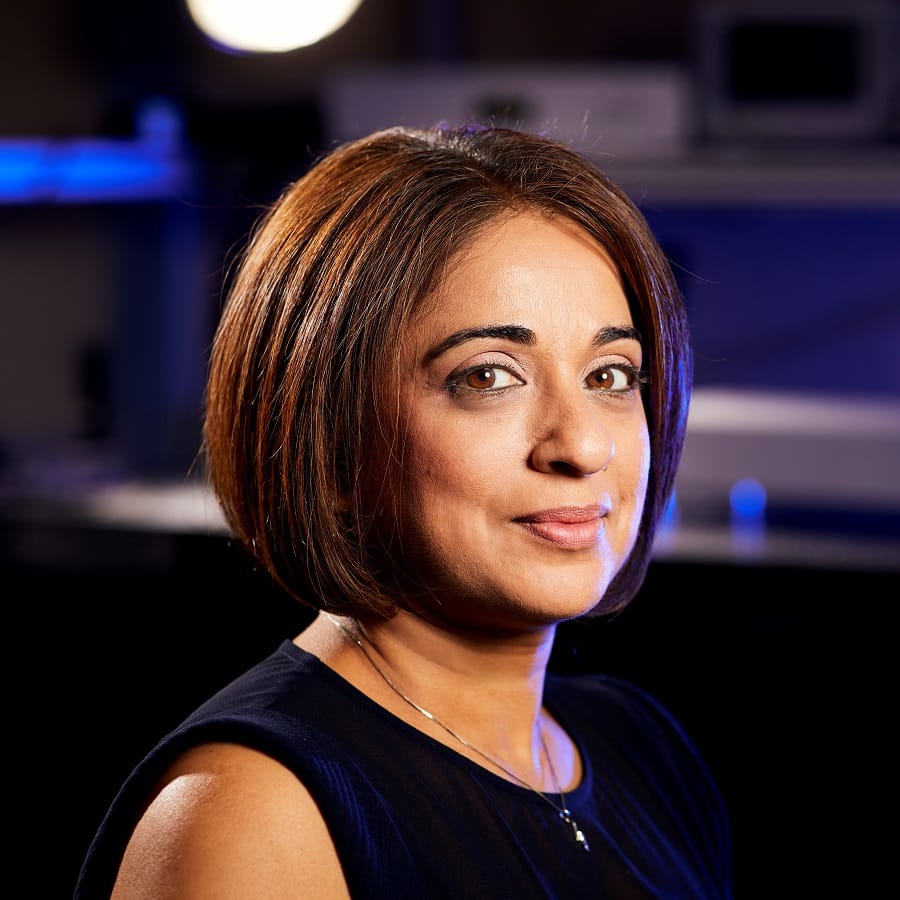
Shahida Imani
Co-founder and CEO, Singular Photonics
Singular Photonics closed an oversubscribed $2.15m (£1.6m) round in August 2026, having already doubled its 2025 sales, and says it is approaching break-even. In September it launched Litavis, a SPAD image sensor for machine vision and physical AI, after Renishaw built its Sirona sensor into a Raman microscope. Former Arm CTO Dipesh Patel joined the board. Under Imani, the Edinburgh spinout gives UK manufacturers and instrument makers a domestic source of on-chip photon sensing.

Jacob Prime
Co-founder and CEO, Ploy
Ploy raised a £2.5m seed round led by Osney Capital in October 2025, having doubled revenue with a team of four, and in June 2026 was one of five finalists in Infosecurity Europe’s first Cyber Startup competition. Its AI agent, Luna, now runs access requests, reviews and revocations across 62 integrations. Under Prime, Ploy gives mid-sized UK businesses audit-ready identity governance without an enterprise budget, and gives MSPs and resellers a new partner program to deliver it.
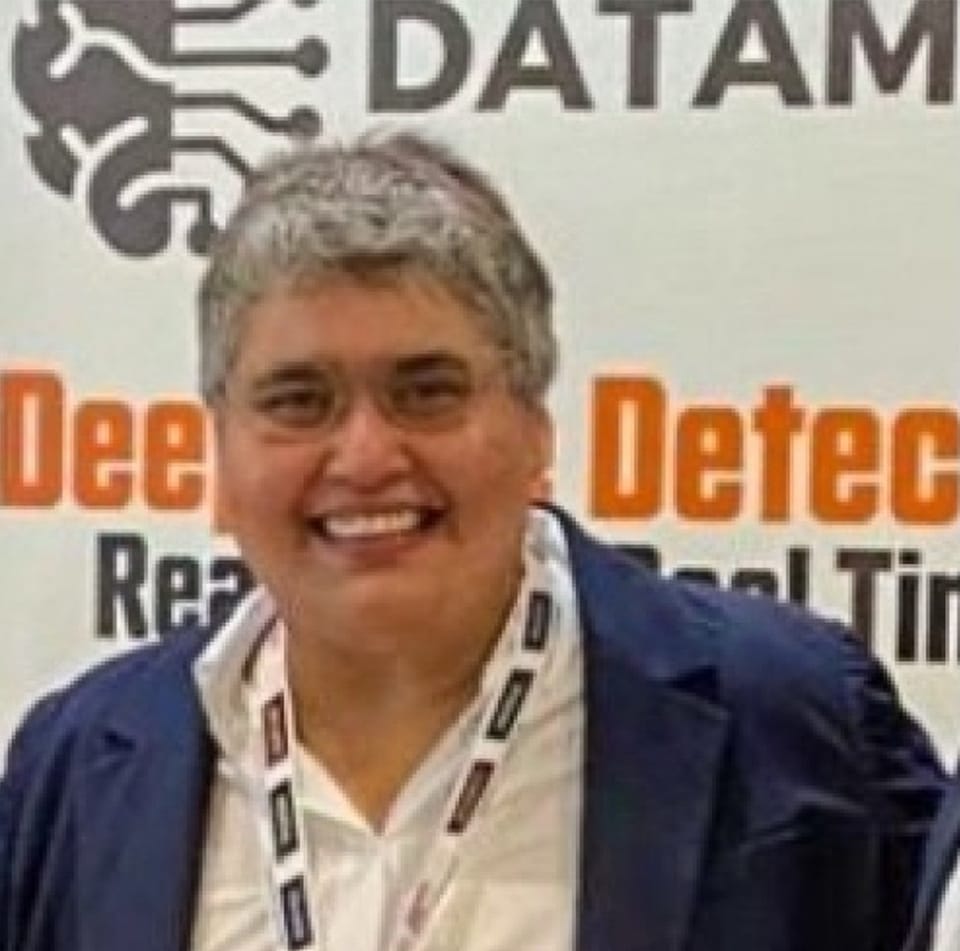
Ashima Chopra
Founder and CEO, Datambit
Datambit joined NATO’s DIANA accelerator in 2026, one of 150 companies chosen from 3,680 applicants, and in June was one of five finalists in Infosecurity Europe’s first Cyber Startup competition. Founded by Chopra in 2023, it detects deepfaked audio and video, including in live calls, and has worked with Nationwide and Mastercard through the City of London AI Innovation Challenge. It gives UK banks and finance teams a check against voice and video impersonation at the point of payment.

Tyler Edwards
Co-founder and CEO, Overmind
Overmind raised a £2m seed round led by Osney Capital in February 2026, seven months after Edwards co-founded it, to supervise AI agents running in live systems. Since then it has repositioned as a platform that turns agents’ production traces into specialized models customers own, which it says can beat frontier models on cost and accuracy for narrow tasks. For UK businesses scaling AI agents, it offers a route to cheaper models they control.