
The 50 UK B2B tech startups to watch
Founders of UK business technology companies started in 2019 or later, chosen by the VETTDD editorial team from funding announcements, company results and Companies House filings, September 2026.

Josh Payne
Founder and CEO, Nscale
In March Payne’s Nscale raised a $2bn (£1.5bn) Series C at a $14.6bn valuation, and on 18 September it filed to list on the New York Stock Exchange. Its filing shows revenue of $140.6m in the six months to June 2026, up from $10.4m a year earlier, and a week later it announced $3.36bn of convertible financing. For UK enterprises and public bodies it is a British-domiciled source of AI compute at hyperscale.

Artem Sokolov
Founder and CEO, Humanoid
In May Sokolov’s Humanoid signed a binding agreement with Schaeffler to deploy its wheeled humanoid robots in live German factories from December, targeting a four-digit fleet by 2032. In July it raised a $152m (£113m) Series A at a $1.35bn valuation, taking total funding to $270m, with Schaeffler and Bosch among the investors. For UK manufacturers and logistics operators it offers humanoid robots as a service, with maintenance and support included.

James Dacombe
Founder and CEO, Olix
Dacombe’s Olix raised $532m in 2026: $220m in February, then a $312m Series B in August at a $3.3bn valuation, with Arm and the UK government’s Sovereign AI fund taking part. Its DX-1 chip, due with first customers in the second half of 2027, runs AI models without the high-bandwidth memory and advanced packaging that constrain supply. For UK data center operators and cloud providers it promises a new, UK-designed source of inference capacity.

Walter Goodwin
Founder and CEO, Fractile
In 2026 Goodwin’s Fractile committed £100m to expand its London and Bristol engineering sites and raised $220m, led by Accel, Factorial Funds and Founders Fund, to bring its first inference chips to customers. The company says its processors will run frontier models up to 25 times faster at a tenth of the cost. Bloomberg reported an initial $250m chip deal with Anthropic, which neither company has confirmed. For UK buyers it is a homegrown alternative in AI hardware.

Vaysh Kewada
Co-founder and CEO, Salience Labs
In 2026 Kewada’s Salience Labs moved from development to product. It signed Tower Semiconductor to manufacture its optical circuit switches, launched a 32-port all-optical switch in March, built a test environment with Keysight and showed a live 64-port switch at ECOC in September. The company says its switches can cut networking power by up to eight times against electrical switching. For UK data center operators short of power, that could free capacity for more compute.

Richard Murray
Co-founder, CEO, ORCA Computing
In June 2026 ORCA Computing put its PT Series photonic quantum systems into Digital Realty’s Innovation Lab in London, running alongside AI and HPC hardware without specialized cooling. Murray, co-founder and chief executive since 2019, has taken the company to about 65 staff and 10 on-premises systems delivered to customers including the Ministry of Defence. This year it added NVIDIA-based simulation and an industrial AI partnership. For UK data center buyers it is a working test of quantum hardware inside existing facilities.

Anahita Laverack
Co-founder and CEO, Oshen
Oshen raised a £3.65m seed round in August 2026, led by Lunar Ventures, to triple production of its C-Star ocean robots. Output has gone from 15 units in three years to 15 every six weeks, with 100 more on order, and customers include the Royal Navy and the Met Office. Three C-Stars collected data inside Category 5 Hurricane Humberto in 2025. For UK maritime, energy and defense buyers, Laverack has built a domestic source of low-cost ocean data.

Jeremy Owston
Founder, CEO/CTO, Nuclear Turbines
Nuclear Turbines came out of stealth in July 2026 with £15m led by IQ Capital, to validate a compact reactor that heats air directly for a gas turbine instead of raising steam. Owston, a former BAE Systems principal engineer, developed the design in BAE’s Launchpad program and now leads the spinout as chief executive and chief technology officer. The company is targeting behind-the-meter power for data centers and industrial sites, which may give UK operators another route to firm on-site power.
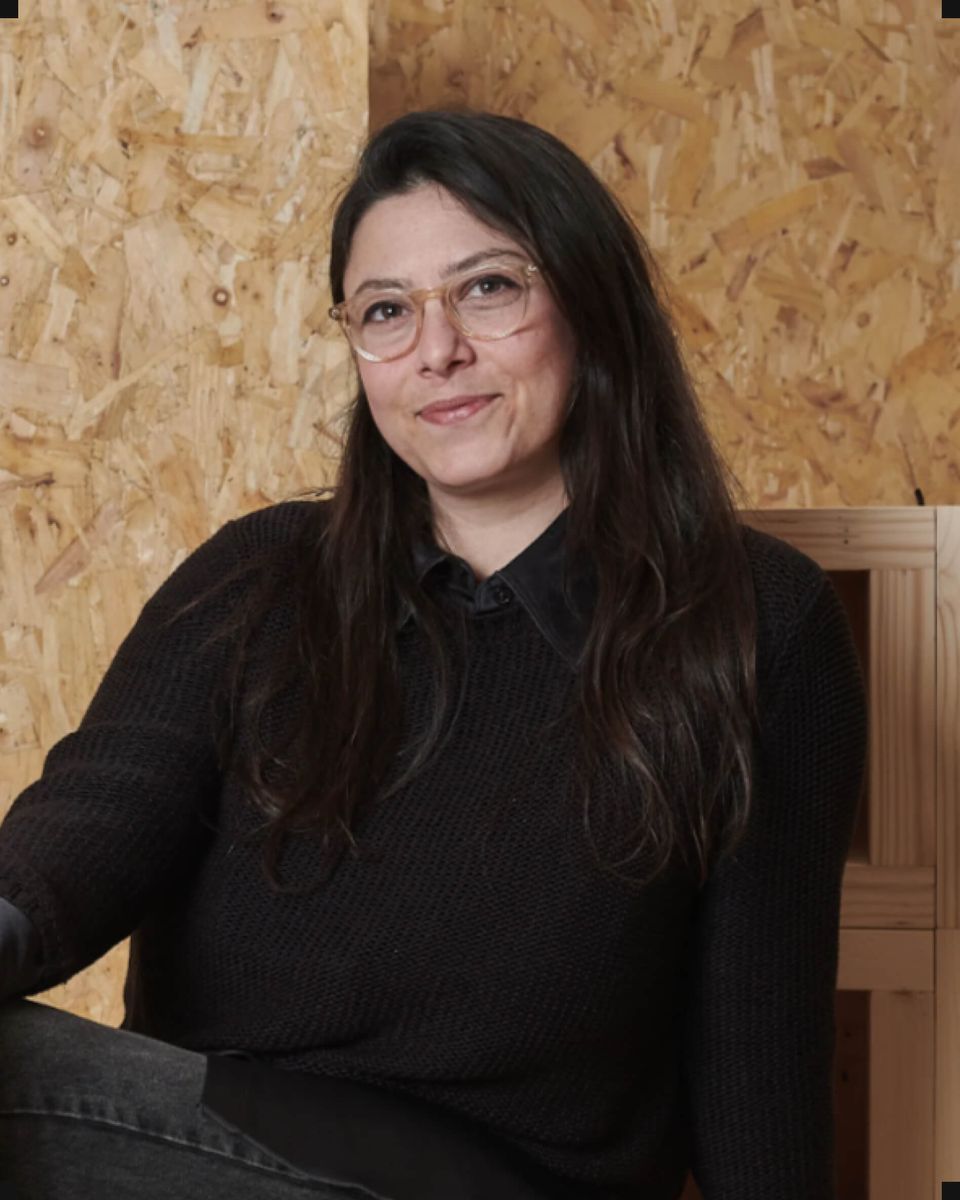
Mollie Claypool
Co-founder and CEO, AUAR (Automated Architecture)
AUAR won the Urban Land Institute’s European PropTech Innovation Challenge in December 2025, and in the past year its two MicroFactories with US developer Rival Holdings moved into autonomous production. Its MasterBuilder software now produces robot-ready designs in under four hours, and a next-generation MicroFactory began testing in January 2026. Under Claypool, AUAR offers UK housebuilders on-site robotic framing without capital outlay, with the company saying each unit can make about 200 homes a year.
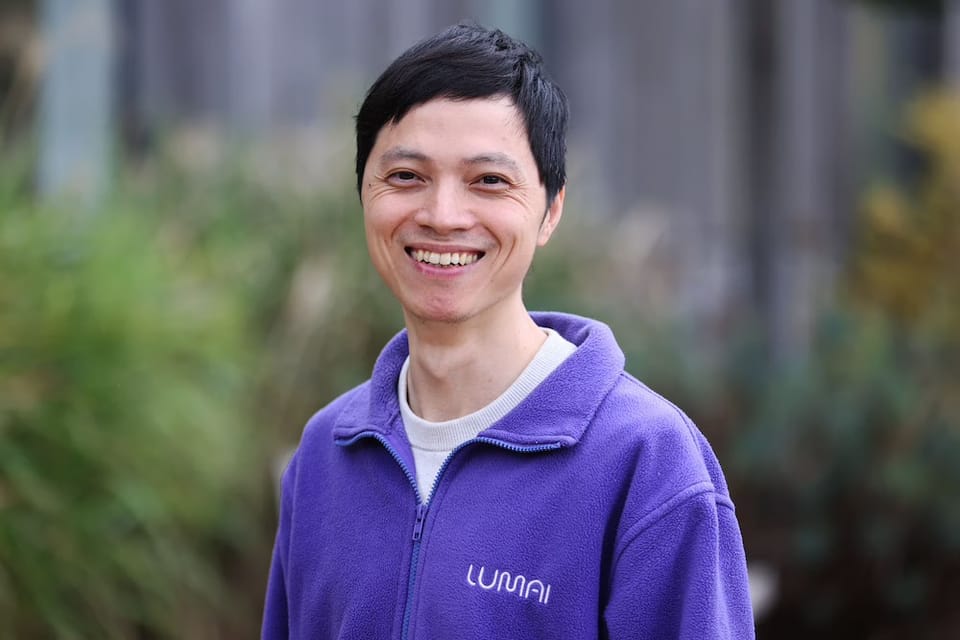
Xianxin Guo
CEO and Co-Founder, Lumai
In April 2026 Lumai launched Iris, which it describes as the first optical computing system to run billion-parameter language models in real time, and opened its Iris Nova server to evaluation by hyperscalers, neoclouds and enterprises. The company claims up to 90% lower energy use than conventional architectures and works with ARIA. Guo, the Oxford physicist behind the core technology, now leads the company as chief executive. For UK data center operators facing power limits, it is a homegrown alternative to adding GPUs.
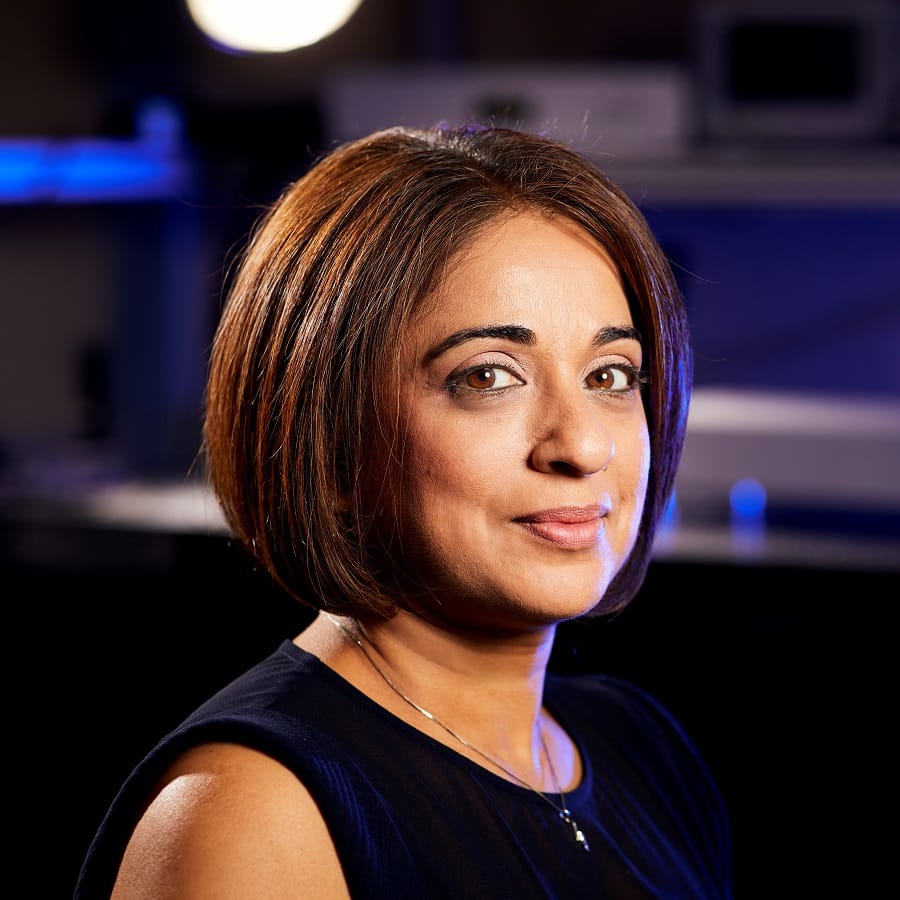
Shahida Imani
Co-founder and CEO, Singular Photonics
Singular Photonics closed an oversubscribed $2.15m (£1.6m) round in August 2026, having already doubled its 2025 sales, and says it is approaching break-even. In September it launched Litavis, a SPAD image sensor for machine vision and physical AI, after Renishaw built its Sirona sensor into a Raman microscope. Former Arm CTO Dipesh Patel joined the board. Under Imani, the Edinburgh spinout gives UK manufacturers and instrument makers a domestic source of on-chip photon sensing.