
DeepMind CEO questions OpenAI’s fast move to ads in ChatGPT
Speaking at Davos, Sir Demis Hassabis, chief executive of Google DeepMind, said Google’s Gemini assistant has no plans to carry ads at this stage, putting user trust first
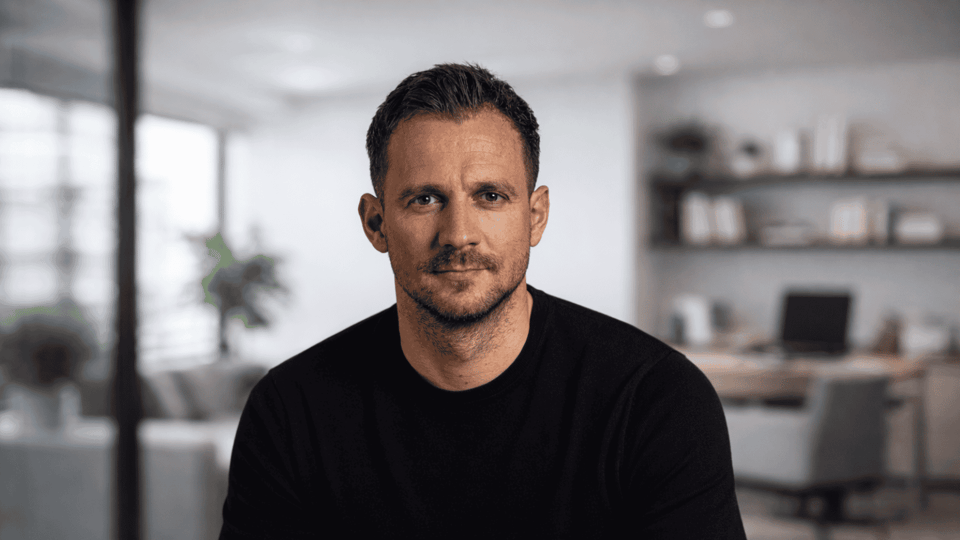
At Davos, Demis Hassabis highlights trust and user experience as key considerations in AI monetization
Sir Demis Hassabis, the chief executive of DeepMind, has publicly expressed surprise at how quickly OpenAI has introduced advertising into its flagship chatbot, ChatGPT.
Speaking to Axios at the World Economic Forum in Davos in January 2026, Hassabis said he was surprised by how early OpenAI had moved to ads, pointing to the different approaches OpenAI and Google are taking to monetization and user trust in conversational AI.
“It’s interesting they’ve gone for that so early,” he said when asked about OpenAI’s advertising strategy. He added that ads have long supported the broader web economy, but integrated advertising within an AI assistant raises distinct questions about user experience and trust.
A different approach to monetization
Hassabis emphasized that DeepMind and Google are thinking “very carefully” about how and when advertising should play a role in AI products. According to him, the architecture of a helpful assistant differs fundamentally from a search engine, where ads naturally align with explicit user queries.
In contrast to OpenAI’s current path, Hassabis said that Google’s own AI assistant, Gemini, does not have plans to incorporate ads at this stage. The focus instead remains on maintaining user trust and developing core capabilities before exploring monetization options.
For Hassabis, the sequence matters. Placing revenue features too early could change how users perceive and interact with AI assistants – from a trusted helper to a commercial platform.
Trust as a defining factor
The comments reflect a broader industry debate on how the next generation of AI services should balance the need for sustainable business models with user experience and credibility. While advertising has been foundational to the consumer internet, embedding it into conversational AI could risk undermining the implicit promise of a responsive, user-centric assistant.
Hassabis’s remarks suggest that securing user trust – especially as AI grows more capable and more central to everyday tasks – must be carefully weighed against short-term revenue goals.
Implications for the AI industry
OpenAI’s decision to begin testing advertisements in ChatGPT – primarily among free and lower-tier users – is part of a broader effort to diversify revenue as the costs of developing and running large AI models escalate.
Yet, as Hassabis pointed out, there remains a clear divergence in strategies among leading AI developers. While some companies are experimenting with ads as a monetization lever, others are prioritizing long-term trust and product experience.
For organizations building AI systems, this debate underlines a key challenge: delivering commercial viability without compromising the core value proposition of an assistant that users feel confident relying on.
As the AI landscape continues to evolve, the choices made by leading organizations over how and when to monetize will play a significant role in shaping user expectations and industry norms.
